Why Does Jewelry Tarnish When Not Worn?
You pulled a silver necklace out of a drawer after six months and found it covered in a dark, dull film. It looked fine when you put it away. So what happened? The frustrating truth is that storing jewelry can accelerate tarnish just as fast as wearing it, sometimes faster. Understanding why helps you store smarter and keep your pieces looking sharp.
The Chemistry Behind Tarnish
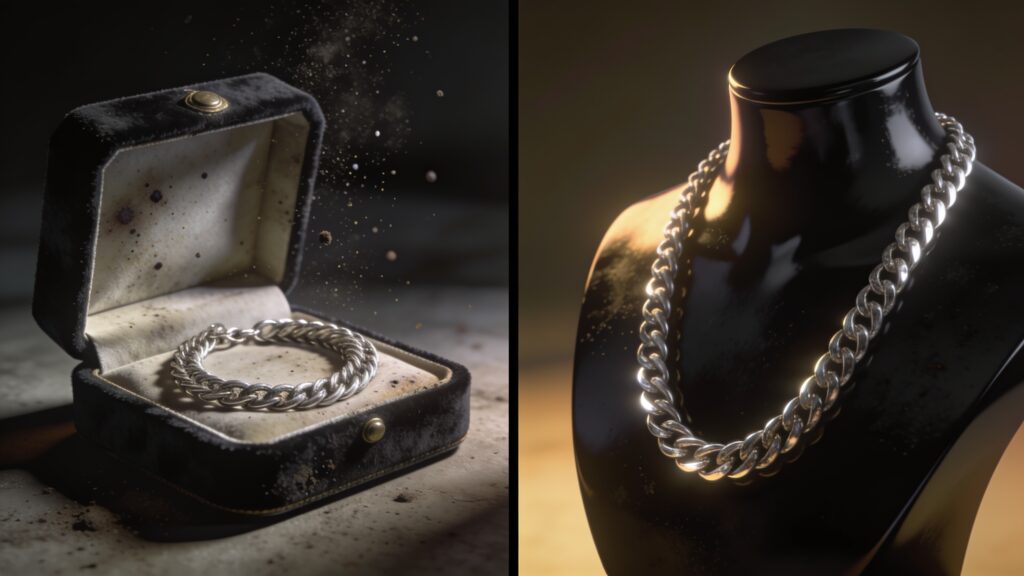
Tarnish is a chemical reaction, plain and simple. When metals like silver, copper, and brass come into contact with sulfur-containing compounds in the air, they form a thin layer of metal sulfide on the surface. On sterling silver, that layer is silver sulfide, and it shows up as a yellowish, brown, or near-black coating.
The key word here is “air.” Oxygen alone causes a slow form of surface oxidation, but sulfur compounds are the real accelerants. Hydrogen sulfide gas exists in ordinary indoor air at trace levels, released by wool, rubber, certain paints, and even some foods. Your jewelry is bathing in that environment every minute it sits in a closed drawer.
Why Sitting Still Makes It Worse
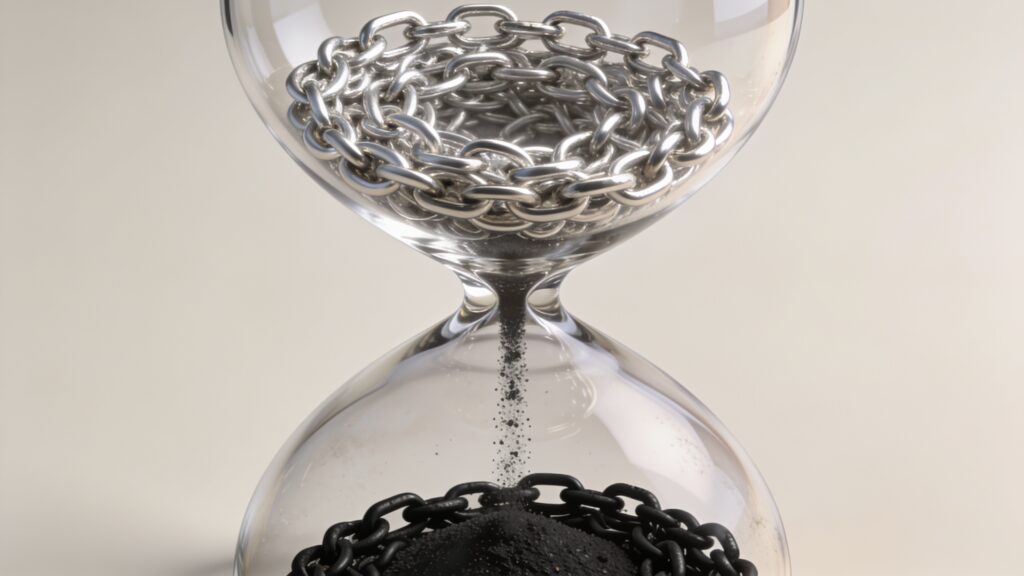
Here is the part that surprises most people. Wearing jewelry actually slows tarnish in several ways. Body oils from your skin deposit a thin, mildly protective film on metal surfaces. Friction from daily movement physically abrades surface tarnish before it builds up. And the act of cleaning jewelry before storage removes reactive compounds that would otherwise sit on the metal for months.
Stored jewelry gets none of that. It sits motionless in a microenvironment where moisture and sulfur compounds accumulate with nothing to disturb them. Humid air trapped in a closed jewelry box is a hostile environment for silver.
The Biggest Culprits in Your Storage Space
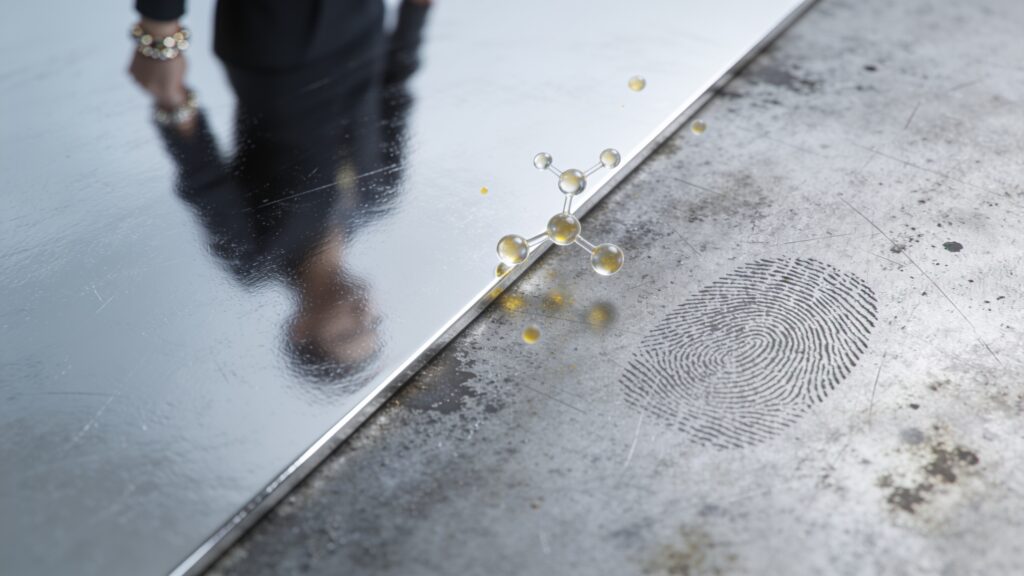
Knowing the specific enemies of stored jewelry lets you act against them directly. Here is a breakdown of the most common tarnish triggers and where they come from:
| Trigger | Source | Effect on Silver |
|---|---|---|
| Hydrogen sulfide gas | Rubber bands, wool, natural gas | Rapid darkening, black tarnish |
| Humidity above 50% | Bathroom air, seasonal moisture | Speeds up all oxidation reactions |
| Oxygen | General atmosphere | Slow surface oxidation |
| Chlorine compounds | Tap water residue, cleaning products | Pitting and surface damage |
| Skin oils (left on) | Fingerprints before storage | Spot tarnishing under contact areas |
Rubber is one of the worst offenders and most people overlook it completely. Rubber bands used to bundle jewelry together release sulfur as they age. Rubber-lined jewelry drawers do the same. If your storage has any rubber components, replace them.
How Alloy Composition Affects Tarnish Rate
Pure silver tarnishes slowly. Sterling silver, which is 92.5% silver and 7.5% copper, tarnishes faster because copper is highly reactive with sulfur and oxygen. That copper content is what makes sterling durable enough for everyday use, but it pays for that durability with a higher sensitivity to air exposure.
Gold-filled and solid gold pieces tarnish far more slowly because gold itself is chemically stable. The tarnish you see on “gold” jewelry is usually the base metal beneath the plating breaking through as the gold layer wears thin. Solid 14k or 18k gold can still tarnish slightly because the alloy metals like copper and silver are still present, but the effect is much milder than with sterling silver.
Practical Storage Methods That Actually Work
The goal is to limit the three main variables: air exposure, humidity, and sulfur contact. You have several effective options.
- Store silver in airtight zip-lock bags with as much air squeezed out as possible before sealing.
- Add a small anti-tarnish strip or silica gel packet inside each bag to absorb sulfur compounds and moisture.
- Wrap pieces in acid-free tissue paper or anti-tarnish cloth before placing them in bags.
- Keep storage away from bathrooms, kitchens, and exterior walls where humidity fluctuates.
- Store pieces separately to prevent scratching and reduce cross-contamination from reactive metals.
- Avoid cardboard boxes without acid-free lining, since cardboard off-gasses compounds that accelerate tarnish.
Anti-tarnish strips are cheap and effective. A pack of 50 costs a few dollars and lasts for months per strip. I recommend them for anyone storing silver dog tags, pendants, or chains for longer than a few weeks.
Cleaning Before Storage Is Non-Negotiable
Putting jewelry away dirty is the single biggest mistake people make. Any residue on the surface, oils, lotion, sweat, cleaning product, or food contact, becomes a reactive site during storage. The longer the piece sits, the deeper that reaction goes.
Clean sterling silver with warm water and a drop of mild dish soap, then dry it completely with a soft cloth before storing. Moisture left on the surface creates an ideal site for oxidation. Complete drying takes about a minute with a cloth and another few minutes of open-air rest before sealing in a bag.
When Tarnish Has Already Set In
Light tarnish on sterling silver responds well to a paste made from baking soda and water, applied with a soft cloth using gentle circular motion, then rinsed clean. For heavier tarnish, commercial silver polish or a polishing cloth designed for silver will cut through the sulfide layer.
The aluminum foil and baking soda bath method also works well. Line a bowl with aluminum foil, add hot water and a tablespoon of baking soda, and submerge the silver. The electrochemical reaction transfers the sulfide from the silver to the foil. It is more effective on chains and pieces with detailed textures than hand polishing.
Key Takeaways
Tarnish happens when metals react with sulfur and oxygen in the air, and stored jewelry is fully exposed to both. Sterling silver tarnishes faster than pure silver because of its copper content. Humidity, rubber, and closed environments speed the process significantly.
The fix is straightforward. Clean pieces before storage, seal them in airtight bags with anti-tarnish strips, store in a stable low-humidity location, and check on them every few months. That routine keeps sterling looking the way it should, whether you wear it every day or pull it out for special occasions.