
What Makes Jewellery Hypoallergenic
Skin reactions to jewellery are more common than most people realize. Redness, itching, and rash around a ring or necklace clasp are classic signs that your body is rejecting something in the metal. The good news is that hypoallergenic jewellery exists specifically to prevent this, and understanding what puts a piece in that category will save you a lot of irritated skin and wasted money.
The Root Cause of Jewellery Allergies
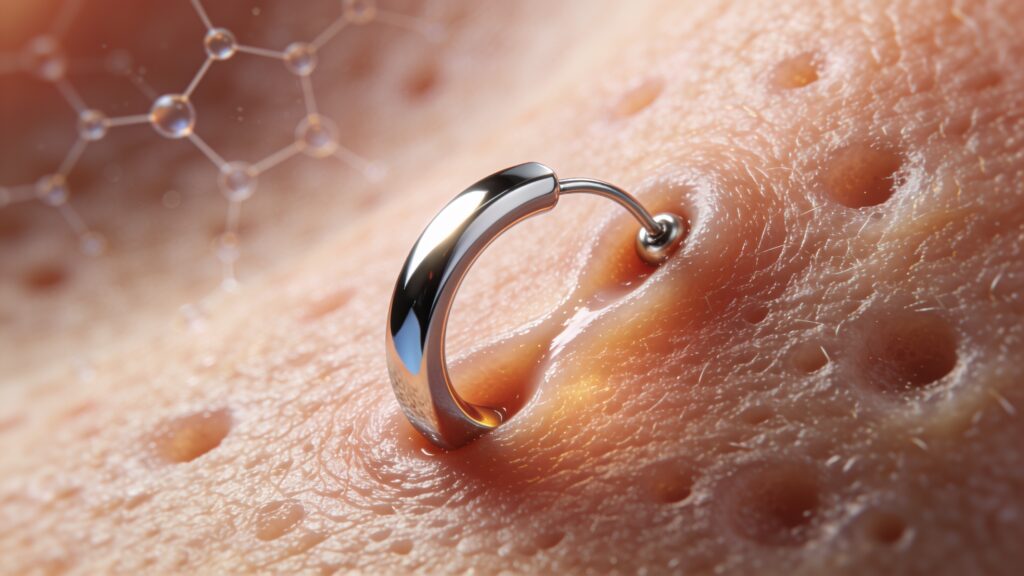
Most jewellery allergies come down to one metal: nickel. Nickel is cheap, hard, and easy to work with, so manufacturers have historically mixed it into gold, silver, and costume jewellery alloys. The problem is that nickel ions leach out of the metal over time, especially when exposed to sweat. Those ions penetrate the skin and trigger an immune response in sensitized people.
Nickel allergy is the single most common contact allergy in the world. Studies estimate that between 10 and 20 percent of the population has it, with higher rates among women who have had frequent exposure to cheap earrings. Once you develop the sensitivity, it tends to stay with you permanently.
Other common culprits include cobalt, which appears in some white gold alloys, and chromium, which shows up in certain plated pieces. These metals are less common triggers than nickel, but they matter if someone has multiple sensitivities.
What Hypoallergenic Actually Means
Here is the honest answer: “hypoallergenic” has no legal definition in the jewellery industry. Any manufacturer can print it on a product without meeting a specific standard. That makes it a marketing claim as much as a technical one.
What the term signals in practice is that the piece was made with low-reactivity metals and without the common allergens listed above. A good hypoallergenic piece is designed to minimize the chance of a reaction, but zero risk for every person on Earth is an impossible claim.
The smarter approach is to look past the label and check the actual materials list. That tells you far more than the word “hypoallergenic” alone ever could.
The Metals That Make Jewellery Safe
Certain metals have a long track record of skin compatibility. These are the ones worth knowing.
| Metal | Why It Works | Things to Know |
|---|---|---|
| Titanium | Biologically inert, extremely stable | Grade 23 (implant grade) is the best choice |
| Niobium | Fully non-reactive, easy to anodize | Less common but excellent for piercings |
| Sterling Silver | 92.5% pure silver, low reactivity | Avoid pieces with nickel-based alloys |
| Platinum | Dense, stable, resists ion leaching | Expensive but outperforms most metals |
| 18k or Higher Gold | Less base metal, lower allergen content | Yellow gold is safer than white gold alloys |
| Surgical Steel (316L) | Medical-grade, tightly regulated | Check grade, lower grades may contain nickel |
Titanium is my personal recommendation for anyone with a history of serious reactions. It is what surgeons use inside the human body for a reason. It does not corrode, it does not leach ions, and it comes in a wide range of styles and colors through anodizing.
Sterling silver gets a good reputation for a reason. At 92.5% pure silver, there is far less room for reactive metals in the alloy. The standard filler metal in quality sterling is copper, which is a much milder sensitizer than nickel. The key is to buy from reputable sources that certify their alloy composition.
Why Plating Fails Over Time
A lot of “hypoallergenic” jewellery on the market is actually a base metal with a thin layer of gold or rhodium over the top. This approach has a predictable flaw. Plating wears away.
The thicker the plating, the longer it holds up, but even high-quality plating measured in microns will eventually thin at contact points like ring shanks and bracelet clasps. Once the plating wears through, whatever is underneath, often brass or nickel-heavy alloy, makes direct contact with your skin.
If you buy plated jewellery, treat it as temporary. Keep it away from water, sweat, and cleaning products, and replace it before the plating disappears entirely. Solid metal pieces with a known alloy composition are a far more reliable long-term investment.
How Finish and Coatings Factor In
Beyond the base metal, surface finish affects skin contact. A high-polish surface has fewer microscopic pits for sweat and debris to accumulate in, which reduces the surface area where ion exchange happens. Matte or brushed finishes look great but trap more moisture.
Some manufacturers apply lacquer or resin coatings to create a barrier between metal and skin. These work temporarily but face the same issue as plating: they chip, crack, and wear away at friction points. A coating is a bandage solution, fine for occasional wear, impractical for everyday pieces.
Key Takeaways for Buying Hypoallergenic Jewellery
Before you make any purchase, run through this checklist.
- Verify the specific metal and alloy grade, not just the label
- Prioritize solid metal over plated or coated pieces for daily wear
- Choose titanium, niobium, or platinum for the highest level of biocompatibility
- With sterling silver, confirm the alloy uses copper rather than nickel as the filler
- Treat white gold with caution because many white gold alloys contain nickel or palladium
- Buy from sellers who disclose their material sourcing and alloy certifications
- Start with a short trial period for any new piece if you have a history of reactions
The label matters less than the materials list. A piece stamped “hypoallergenic” with an undisclosed alloy tells you nothing useful. A piece that lists its exact composition gives you everything you need to make an informed decision.
The Bottom Line
Hypoallergenic jewellery works because of chemistry, not marketing language. Metals like titanium, niobium, high-karat gold, and quality sterling silver minimize ion leaching and skin contact with reactive elements. Plated pieces offer a short-term solution that degrades with wear. Solid, certified metal is the reliable path for anyone with skin sensitivities.
Know your metals, read the material specs, and you will spend far less time dealing with irritated skin and far more time actually enjoying what you wear.