What Is the Best Jewellery Cleaner? A Practical Guide for Every Metal and Stone
Most people own at least one piece of jewellery that looks worse than it did on day one. Tarnished silver, cloudy diamonds, dull gold. The fix is usually simple, but picking the wrong cleaner causes real damage. I’ve seen sterling silver dog tags come back from a bad cleaning looking like they went through sandpaper. This guide cuts through the noise and tells you exactly what works, for which metals, and why.
Why One Cleaner Does Not Fit All Jewellery
Jewellery spans a wide range of materials. Sterling silver behaves completely differently from gold, and porous stones like turquoise react badly to chemicals that work fine on a diamond. The “best” cleaner is always relative to the specific piece in your hand.
The three main factors that determine the right cleaner are the metal type, the stone type, and the finish. A polished surface tolerates scrubbing better than a matte or oxidized one. Soft stones, including pearls, opals, and turquoise, need gentle, water-based solutions. Hard stones like sapphires and diamonds can handle stronger treatments.
The Best Jewellery Cleaners by Type
Ultrasonic Cleaners
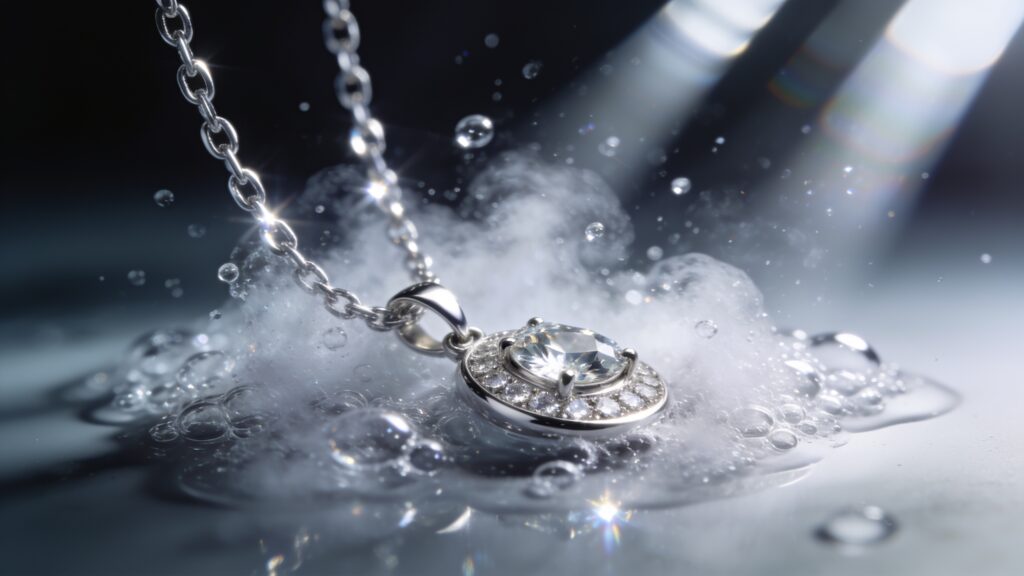
For hard stones and plain metal pieces, an ultrasonic cleaner is my top pick. It uses high-frequency sound waves to agitate water and a small amount of cleaning solution, blasting away built-up grime from every surface a brush can miss. A decent home unit costs between $30 and $80 and lasts for years.
The catch is clear. Ultrasonic cleaners crack soft or included stones. Keep pearls, opals, emeralds, and any stone with existing fractures far away from these machines. Sterling silver dog tags with no stones are perfect candidates for ultrasonic cleaning.
Dish Soap and Warm Water
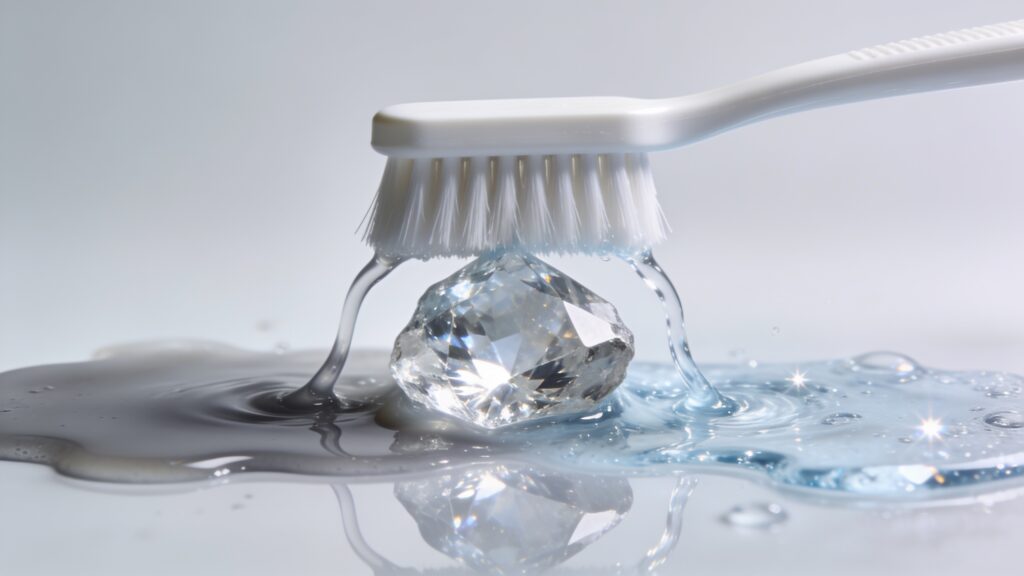
This combination is my daily workhorse and it works on almost everything. A few drops of mild dish soap in warm (not hot) water, a soft-bristled toothbrush, and a couple of minutes of gentle scrubbing will restore most gold and silver pieces to excellent condition.
It removes skin oils, lotion residue, and light tarnish without stripping any protective coating or oxidized detail. For intricate engraved pieces, this method is the safest option available. Rinse thoroughly with clean water and dry with a soft lint-free cloth.
Silver-Specific Polishing Cloths and Pastes
Sterling silver tarnishes because it reacts with sulfur compounds in the air. A good silver polishing cloth, impregnated with a mild abrasive and anti-tarnish compound, removes that tarnish fast. Brands like Hagerty and Town Talk are solid options that have earned consistent results.
Silver polishing paste goes deeper. Apply a small amount, rub gently with a soft cloth, then rinse and buff dry. It pulls oxidation off the surface and leaves a bright shine. For dog tags with raised text or deep engraving, avoid polishing paste in the recessed areas if you want to preserve that dark contrast.
Commercial Jewellery Cleaning Solutions
Products like Connoisseurs Jewellery Cleaner or Weiman Jewellery Cleaner are formulated for broad use. They typically come with a small dipping basket and a soft brush. You soak the piece for a minute or two, give it a light scrub, rinse, and dry.
These solutions work well on diamonds, gold, and platinum. Read the label before using them on silver, because some formulas strip the anti-tarnish coating that many silver pieces carry. The price point is low, usually $8 to $15, and a single bottle lasts many months with occasional use.
Baking Soda Methods
Baking soda has a legitimate role in jewellery cleaning, specifically for heavy tarnish on sterling silver. The classic method uses a foil-lined bowl, boiling water, baking soda, and salt. The chemical reaction pulls tarnish off the silver and deposits it onto the foil.
This method works well on plain silver chains, flat tags, and unembellished pieces. Avoid it on silver with intentional oxidized detailing, because it strips that darkening completely. Also keep gemstones out of this method entirely.
Quick Comparison of Common Jewellery Cleaners
| Cleaner Type | Best For | Avoid On |
|---|---|---|
| Ultrasonic machine | Gold, platinum, diamonds, plain silver | Pearls, opals, emeralds, filled stones |
| Dish soap and water | All metals, most stones | None, if used gently |
| Silver polishing cloth | Sterling silver, light tarnish | Oxidized detail work |
| Silver polishing paste | Heavy tarnish on silver | Porous or soft stones |
| Commercial solution | Gold, diamonds, platinum | Check label before use on silver |
| Baking soda foil method | Plain sterling silver, heavy tarnish | Oxidized silver, gemstones |
What to Avoid Entirely
Some commonly suggested home remedies cause more damage than the tarnish they remove.
- Toothpaste is too abrasive for most metals and leaves microscopic scratches that dull a polished surface over time.
- Bleach attacks the alloys in gold and weakens prong settings.
- Ammonia-based cleaners damage soft stones and should stay away from pearls entirely.
- Vinegar and lemon juice are acidic enough to pit soft metals and strip coatings from plated pieces.
- Paper towels and rough fabrics scratch polished surfaces. Always use a soft cloth.
Tips for Keeping Jewellery Clean Longer
Good storage cuts your cleaning frequency in half. Sterling silver tarnishes faster when exposed to air and humidity, so store it in an anti-tarnish pouch or a sealed bag with a small silica gel packet. Keep pieces separated to prevent scratching.
Remove jewellery before applying lotion, perfume, or sunscreen. Those products build up on metal surfaces fast and attract dirt. For dog tags worn daily, a quick rinse with water after a sweaty workout makes a real difference over weeks of wear.
Key Takeaways
The best jewellery cleaner is the one matched to your specific metal and stone combination. For sterling silver, a polishing cloth for light tarnish and the baking soda method for heavy tarnish are hard to beat. For gold and diamond pieces, a commercial cleaner or ultrasonic machine delivers excellent results. Dish soap and warm water is a reliable fallback for almost anything.
Take thirty seconds to identify what your jewellery is made of before you reach for a cleaner. That small step protects pieces that matter and keeps them looking sharp for years.