How to Choose the Perfect Diamond: The Ultimate 4Cs Guide
Buying a diamond is one of the most significant purchases most people ever make. The stakes are high, the terminology is confusing, and the sales floor is full of pressure. The good news is that once you understand the 4Cs, you can walk into any jewelry store and make a confident, informed decision. This guide breaks down every factor clearly so you spend your money on what actually matters.
What Are the 4Cs?
The 4Cs is a standardized framework created by the Gemological Institute of America (GIA) in the mid-20th century. It gives buyers and sellers a common language for evaluating diamonds. The four criteria are Cut, Color, Clarity, and Carat Weight. Each one affects both the diamond’s appearance and its price, and understanding how they interact is where smart buying starts.
Cut: The Most Important C
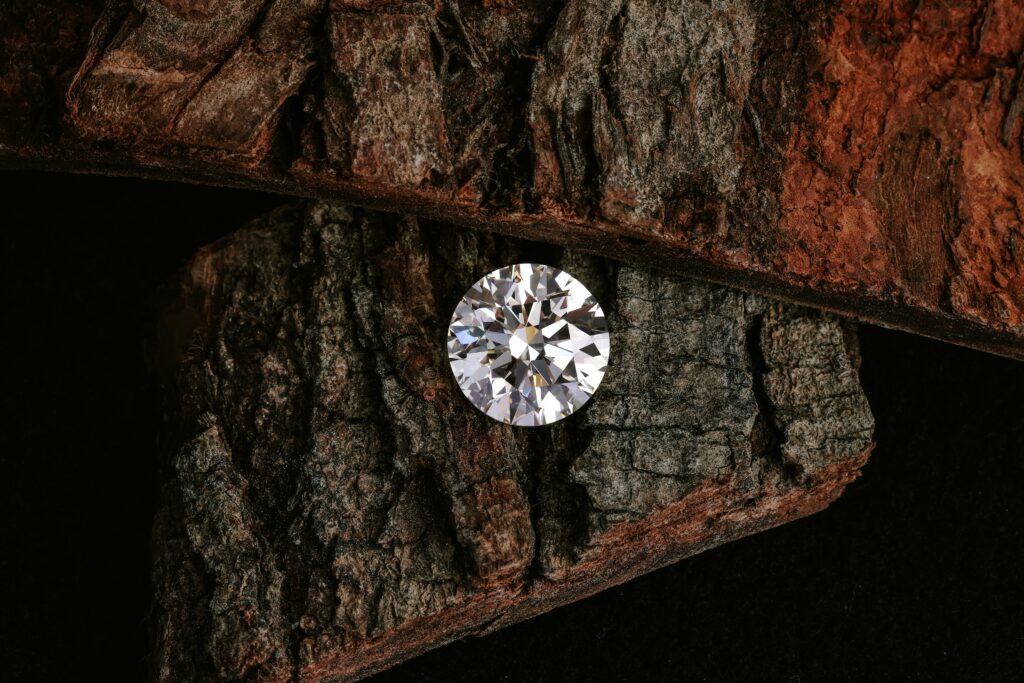
Cut is the single biggest driver of a diamond’s visual impact. It controls how light enters the stone, bounces around inside, and exits back through the top. A well-cut diamond throws off brilliance and fire. A poorly cut one looks dull, even if it scores perfectly on every other criterion.
The GIA grades round brilliant cuts on a five-point scale. Here is what each grade means in practice.
| GIA Cut Grade | What You See |
|---|---|
| Excellent | Maximum brilliance, strong light return, sharp contrast |
| Very Good | High brightness, minor light leakage at the edges |
| Good | Decent sparkle, visible reduction in fire |
| Fair | Noticeably flat appearance, significant light loss |
| Poor | Dull, glassy look with poor reflectivity |
My recommendation is to buy Excellent or Very Good cut only. This is the one area where I tell people to hold the line on their budget. A smaller Excellent-cut diamond will outshine a larger Fair-cut stone every single time.
Color: Less Is More Visible Than You Think
The GIA color scale for white diamonds runs from D (completely colorless) to Z (light yellow or brown tint). The differences between adjacent grades are subtle when you look at a single stone, but side-by-side comparisons reveal the gaps quickly.
Here is a practical breakdown of the color ranges:
- D to F: Colorless. The most prized grades, best suited for platinum or white gold settings.
- G to J: Near-colorless. Excellent value range. G and H stones face-up white to the naked eye in most settings.
- K to M: Faint color. Warmer tones become visible, which can actually look appealing in yellow gold settings.
- N to Z: Light color. The yellow tint is obvious and these grades are best avoided for engagement rings.
For most buyers, the G to I range hits the sweet spot. You get a stone that reads as white without paying the premium attached to D through F grades. Save that money for cut.
Clarity: Buying Clean, Not Flawless
Clarity measures the presence of internal characteristics (inclusions) and surface blemishes. The GIA clarity scale runs from Flawless (FL) at the top to Included (I1, I2, I3) at the bottom.
The key concept here is “eye-clean.” An eye-clean diamond has no inclusions visible to the naked eye at normal viewing distance, around 10 to 12 inches. You do not need a flawless stone. You need an eye-clean one.
The VS1 to SI1 range is where I steer most buyers. VS1 and VS2 stones are almost always eye-clean. SI1 stones can be eye-clean too, but each one requires individual inspection because inclusions vary in position and type. A black crystal inclusion dead center under the table is far more visible than a white feather near the girdle edge.
FL and IF grades carry a significant price premium for a quality difference that requires a 10x loupe and professional training to detect. That premium belongs in your cut and carat budget instead.
Carat Weight: Size Versus Appearance
Carat is a measure of weight, with one carat equal to 0.2 grams. The popular assumption is that carat weight equals size, but cut quality and diamond shape also determine how large a stone appears face-up.
A well-cut 1.00-carat round diamond will look bigger than a poorly cut 1.10-carat stone of the same shape because the well-cut stone is spread properly across its diameter. Some shapes also appear larger per carat than others. Oval, marquise, and pear cuts tend to look bigger face-up compared to round brilliants of the same carat weight.
One smart strategy is to buy just below the popular carat thresholds. A 0.90-carat diamond costs meaningfully less than a 1.00-carat stone, yet the visible size difference is marginal. The same logic applies at 1.90 versus 2.00 carats.
How to Balance the 4Cs on a Budget
The biggest mistake buyers make is treating all four criteria as equally flexible. They are not. Here is the priority order I use:
- Cut first, always. Sacrifice on other Cs before you cut here.
- Color second. The G to I range gives you a white-looking stone at a fair price.
- Clarity third. Eye-clean SI1 to VS2 is the practical target.
- Carat last. Buy the largest stone you can afford within the above constraints.
This order reflects what actually affects how a diamond looks to real people in real lighting, rather than under a grading loupe.
Key Takeaways
Choosing the right diamond comes down to a few clear principles. Prioritize cut quality above everything else because it determines brilliance. Shop the G to I color range for white diamonds in white metal settings. Target VS1 to SI1 clarity and confirm the stone is eye-clean. Buy just below round carat numbers to get more size for your money.
Always ask to see the GIA grading report for any diamond you consider. A certified stone gives you an independent, third-party verification of every grade. If a seller pushes back on that request, walk out and find one who does not.